One Island, two Terroirs - exploring the wines of Sicily's Vittoria and Etna
Part One – Vittoria
Back in late May, when all our fingers were crossed for a lovely summer (perhaps crossed a little too hard, in retrospect), I was invited to Sicily by importer Les Caves de Pyrene to visit four winemakers: two in Vittoria in the south, and two on Mount Etna in the north-east of the island.
With no time to waste, we headed south from Catania to Vittoria to visit COS, one of the pioneers of natural winemaking on the island. The name is an acronym of the three school friends who founded the winery in the 1980s with just 3 hectares: Cilia, Occhipinti and Strano. Today it’s headed by Giusto Occhipinti and Cirino Strano, and their holdings have grown to an impressive 40 hectares, roughly the size of 60 football pitches.
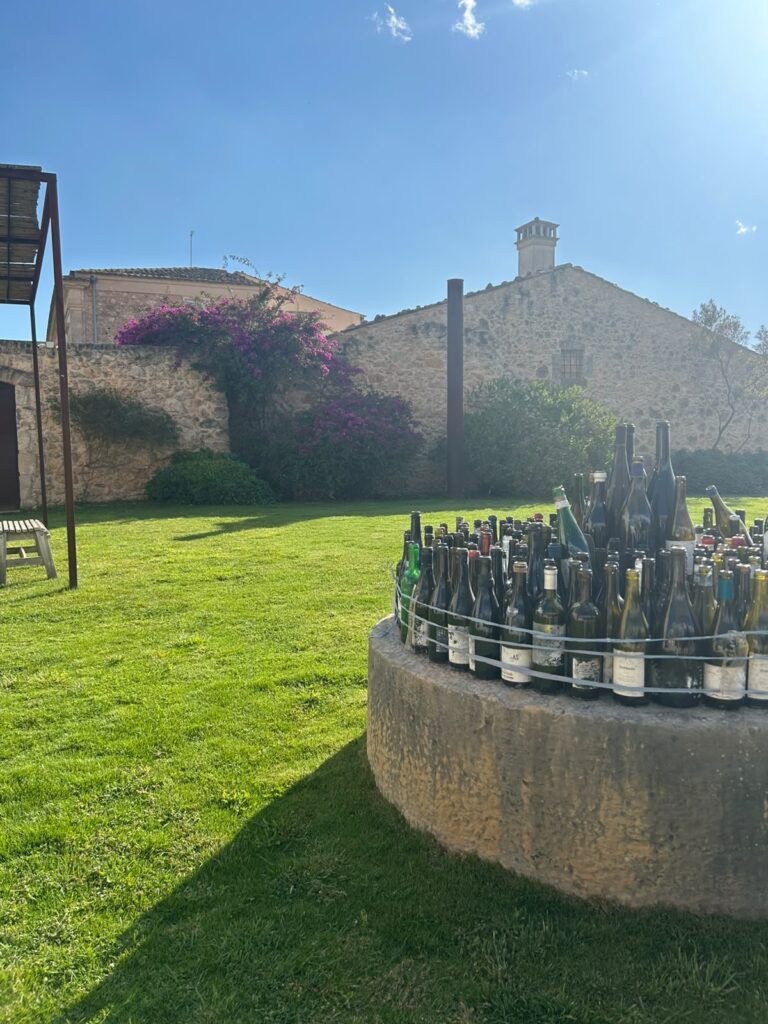
What’s really fascinating about Vittoria is its geology. Five million years ago, this part of Sicily lay deep underwater, until the movement of tectonic plates pushed it up out of the sea. The result is a thick layer of red, sandy clay topsoil known as cerasuolo (“cherry-
The two standout wines at COS were, first, their Zibibbo in Pithos (Muscat of Alexandria, as it’s more widely known). It’s aged in terracotta amphorae, another technique COS pioneered on the island. The result is a beautifully textured skin-contact wine, full of stone fruit with a citrus-peel bitterness. Second was their Cerasuolo di Vittoria Classico. Cerasuolo di Vittoria is the only DOCG in Sicily, and this one is a blend of Nero d’Avola and Frappato aged in oak barrels. The oak gives it a lovely richness alongside bright cherry fruit, which for me is one of the signature notes of Frappato.
Back in the car and ten minutes up the road, we arrived at a truly stunning old villa, home to Arianna Occhipinti. Arianna’s journey into wine began at 16, when she joined her uncle, Giusto Occhipinti, at a wine fair in Italy and was instantly hooked. Amazingly, she released her first vintage at just 22 and has never looked back. Her SP68 wines are iconic: any natural wine lover will have spotted the bottles propped up in a wine bar window or on the shelves of any good wine shop.
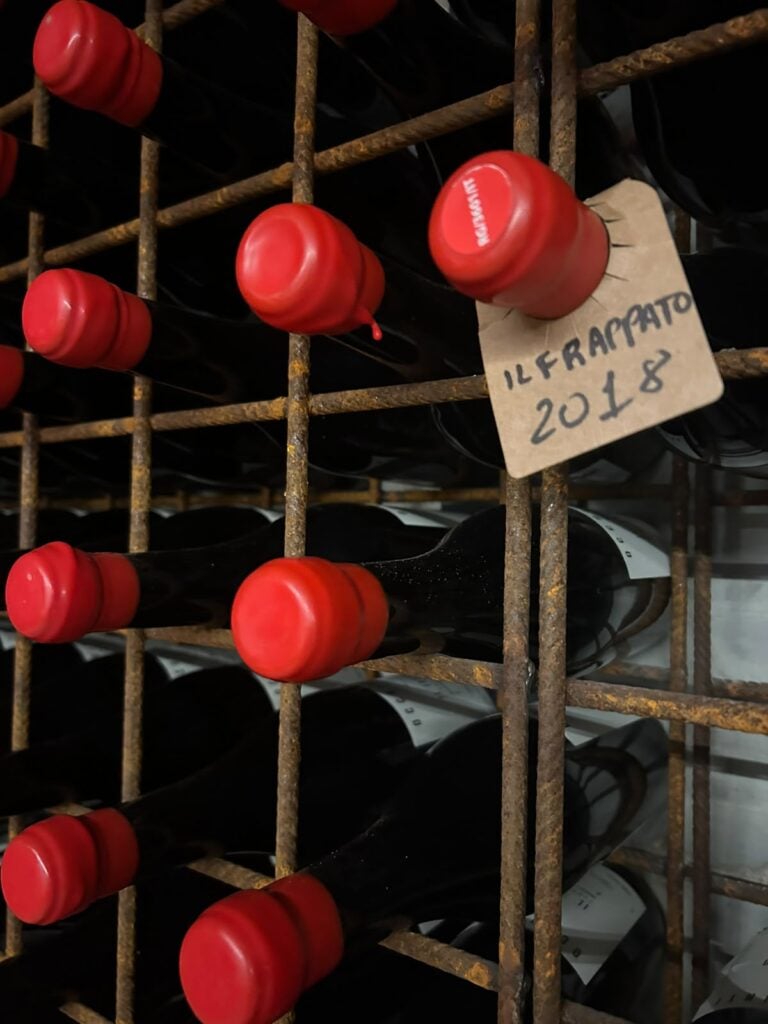
The vines sit right in front of the house, and we were shown plots further afield stretching towards the sea and up into the hills behind. We had a quick tour, including the relatively new cellar, dug an impressive five or six flights of stairs underground. It holds a library of every wine she has bottled so far, making it feel more like an exhibition than a cellar.
Back in the house, we tasted through some of the contrada (cru) wines and saw the true power and precision of Grillo through Contrada Santa Margherita. It’s a blend of four plots at 490m above sea level, on rich, chalky, fossil-strewn soils about 10km from the sea. It’s aged in the same style of barrel COS uses for its Cerasuolo di Vittoria, and it’s probably one of my standout wines of 2026. If you love Savagnin from the Jura, this is the wine for you. It has a perfect balance of lip-smacking, lemony acidity, salinity and texture, with a touch of reduction that keeps you coming back for more. It’s not a wine to sleep on, and it’s now on the list at Brawn. I couldn’t resist.
Peter Jones, Head of Wine